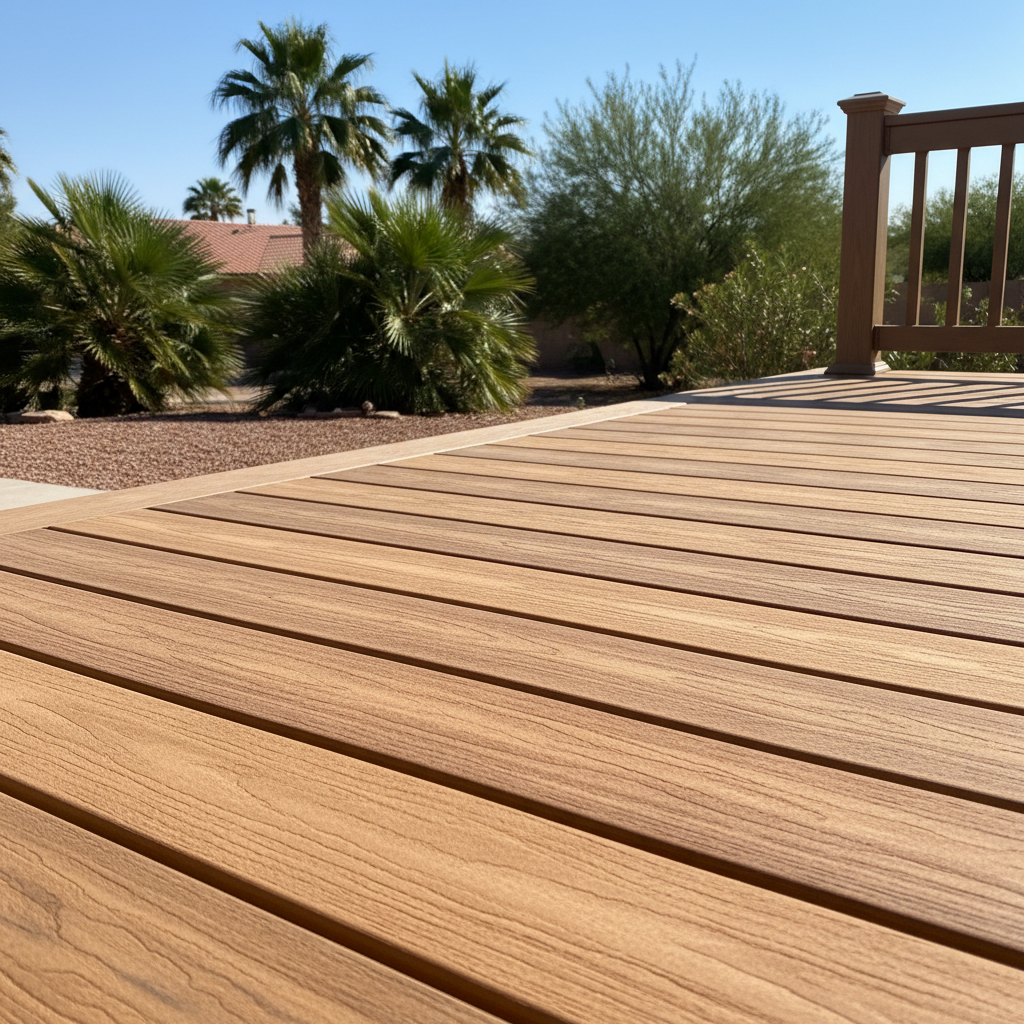
What's the best material for a deck in Phoenix's heat?
This is probably the number one question I hear, and it's a good one. Phoenix summers are just brutal, plain and simple. When we're talking about deck materials, you've got a few main choices: natural wood (like cedar or redwood), pressure-treated lumber, and then there's composite decking. For our climate, I'm definitely going to push for composite. Here's why: natural wood, even if it's treated, really takes a beating from our intense UV rays and dry heat. It's going to warp, crack, and fade way faster than you'd expect, no matter how much sealant you put on it. You'll be out there doing maintenance every year, sometimes even twice a year, just to keep it looking decent. Pressure-treated lumber works better for the hidden structural bits, but for the actual deck surface, it's still not ideal if you want it to look good long-term in direct sun.
Composite decking, on the other hand, is practically built for this kind of abuse. It holds up against fading, staining, mold, and even insects. It won't splinter, warp, or rot. Now, some folks do worry about it getting hot underfoot. And sure, darker composite colors can get pretty warm, just like dark concrete or asphalt does. But lighter composite colors reflect a lot more heat. Plus, maintenance is super easy – usually, a good wash with soap and water is all it needs. For something that lasts and doesn't demand much upkeep here in Phoenix, composite is really tough to beat.
Do I need a permit for a new deck in Phoenix?
Absolutely, yes, you do. Pretty much any new construction or big change to your home's structure, and that includes a deck, will need a permit from the City of Phoenix Planning and Development Department. This isn't just a bunch of paperwork; it's all about keeping things safe. Permits make sure your deck is built to code, meaning it's strong, safe for your family, and follows all the local rules. That covers things like proper footings, railing height, and how it attaches to your house. Trying to skip the permit process? That's a huge mistake. If you get caught, you'll face fines, delays, and might even have to tear down and rebuild parts of your deck. Plus, it can cause major headaches when you decide to sell your house down the road. A good contractor, like Phoenix Deck Solutions, will always handle the permit process for you. It's just part of doing the job right.
How deep do deck footings need to be in Phoenix soil?
This is a really important structural question. Here in Phoenix, we've got expansive clay soils in some spots, especially in places like the North Central corridor, and then rocky, caliche-rich soil in others. That means footings need to be designed to handle potential soil movement and give solid support. Generally, for a residential deck, you're looking at footings that go down at least 12 to 18 inches, often more, and they're usually 10 to 12 inches across. The exact depth and size will depend on how big and heavy the deck is, plus the specific soil conditions on your property. That's why a permit and proper engineering are so crucial. We're not worried about a frost line here like folks in colder climates are, but we definitely care about making sure the deck doesn't settle unevenly over time because of our dry-wet cycles or just general soil compaction. You want those posts firmly anchored, right?
Can I build a deck over my existing concrete patio?
You can, but it's not always the best plan, and it definitely needs careful thought. The main worries are drainage and ventilation. If you just build right on top of an existing patio, you're basically creating a moisture trap between the new deck and the old concrete. This can lead to mildew, rot (if you're using wood, of course), and it might even attract pests. If you go this route, you'll need to make sure there's plenty of airflow and a way for water to drain away. That usually means building a raised deck frame over the patio, leaving a gap for air, and making sure the patio itself slopes for drainage. Sometimes, it's actually cheaper and more structurally sound to just remove the old patio and start fresh with proper footings. Every situation is different, so we'd need to check out your specific patio and yard to give you the best advice.
How long does a typical deck construction project take?
This really depends on the deck's size and how complicated it is, but I can give you a general idea. For a standard, moderately sized backyard deck (let's say 200-400 square feet) with basic features, you're probably looking at anywhere from 2 to 4 weeks from the day we start digging to when it's finished. That doesn't include the planning and permitting phase, which can add another 4-8 weeks, sometimes more if there are specific zoning challenges or HOA approvals needed. Bigger, multi-level decks, or ones with custom features like built-in seating, pergolas, or intricate railing systems, will naturally take longer. Weather isn't usually a huge factor here in Phoenix, outside of our monsoon season downpours, but getting materials can sometimes cause minor delays. We always try to give you a realistic timeline upfront so you know what to expect.
What about shade? How do I keep my deck usable in the summer?
Shade is absolutely essential for a Phoenix deck. Without it, your beautiful new outdoor space will turn into an oven for half the year. There are several ways to tackle this. A solid roof extension from your house is one of the most effective options, offering complete protection. Pergolas are popular, and while they don't block all the sun, you can really boost their effectiveness with shade sails, retractable canopies, or even climbing vines for a natural look. Another choice is strategically placed shade trees, though those take years to grow. For immediate relief, large cantilever umbrellas can work well for smaller areas. When we're designing a deck, we always consider the sun's path throughout the day and year to get the most shade coverage. It's not just about comfort; it helps protect your deck materials too.
What kind of warranty should I expect on a new deck?
A good contractor should definitely stand behind their work. For structural integrity and how well the work was done, you should expect at least a 1-year warranty. Many reputable builders, including Phoenix Deck Solutions, offer 2-year or even 5-year warranties on their labor. Beyond that, the materials themselves will come with their own manufacturer warranties. Composite decking, for instance, often has 25-year or even lifetime limited warranties against defects, fading, and staining. Natural wood, on the other hand, typically has much shorter warranties, if any, on the material itself, because its performance really depends on ongoing maintenance. Always get the warranty details in writing before any work begins. It protects your investment and gives you peace of mind.