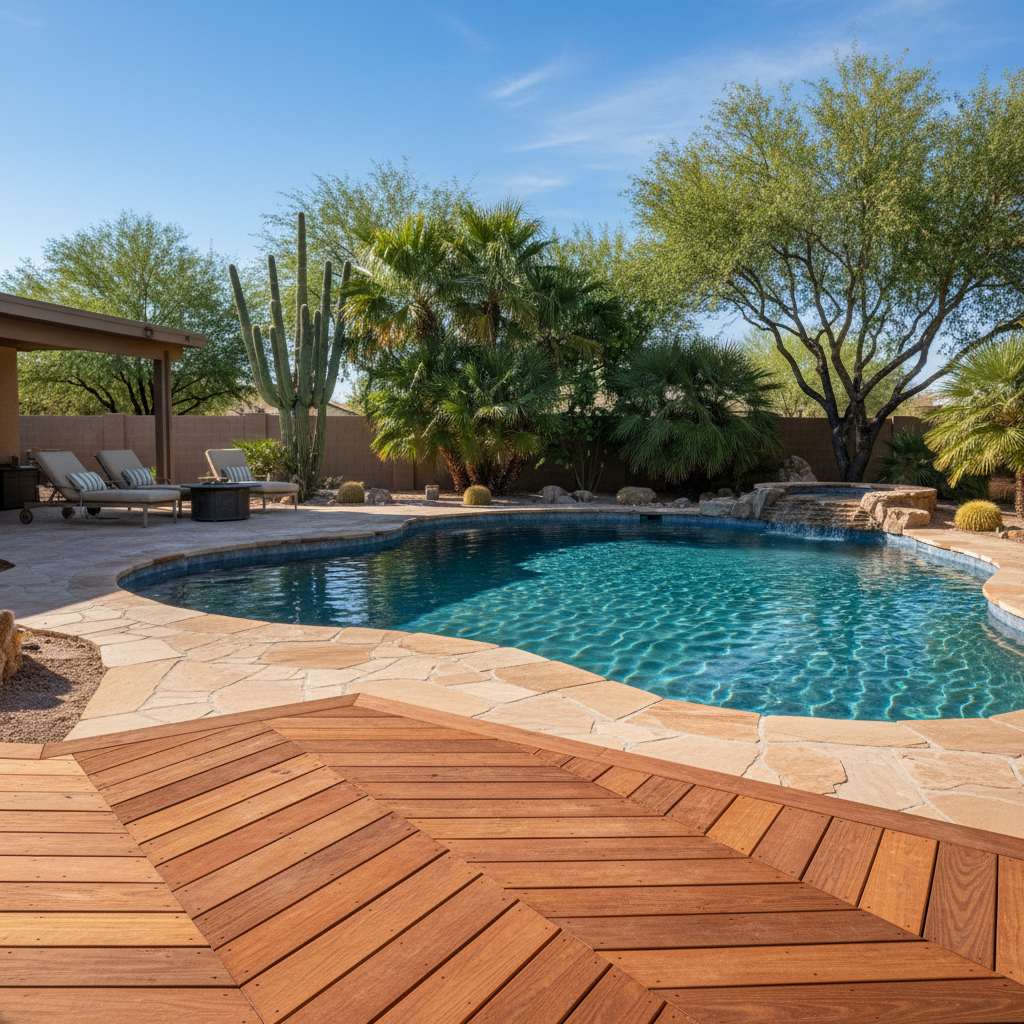
When's the best time to tackle that pool deck project? It's a question I get a lot, especially from folks who've just moved here or are finally ready to upgrade their backyard oasis. Living in Phoenix, you know our weather isn't like anywhere else. That intense sun, the dry heat, and those monsoon downpours really put your pool deck through its paces. You can't just treat it like a deck in, say, Seattle. It needs a different kind of love, and timing? Well, timing is everything.
Timing Your Pool Deck Work: When to Schedule
Forget what you might've heard about 'off-season' for construction. For pool decks in Phoenix, the 'best' time often comes down to avoiding the absolute worst conditions for both the materials and the crew. You want to give your new deck, or even a refreshed one, the best chance to cure properly and settle in.
- Fall (October - December): This is prime time, in my book. The scorching summer heat is finally backing off, but it's still warm enough for most sealants and coatings to cure beautifully. The ground isn't as hot, which helps with stability if you're doing any concrete work. Plus, you'll have it ready to enjoy for the cooler winter months and be way ahead of the spring rush.
- Winter (January - March): Still a great window. Temperatures are mild, making it comfortable for my crew to work efficiently. You won't have to worry about materials drying too fast or getting too hot to handle. The only real concern here is if we get a cold snap, which can slow down curing times for some products. But usually, our winters are pretty forgiving.
- Spring (April - May): We can still get work done, but you're starting to push it with the heat. If we're doing a full replacement or a major resurface, the rising temperatures mean we have to work faster to avoid issues with materials setting too quickly. It's doable, but it requires more careful planning and often earlier starts to the day.
- Summer (June - September): Honestly? Try to avoid major pool deck work during these months if you can. The ground temperatures can hit 150 degrees, and the air isn't far behind. This makes it incredibly tough on the crew, and it can really mess with how materials cure. Concrete can crack, sealants can bubble, and it's just a recipe for headaches. If you absolutely have to do something, we'll talk about specific strategies, like working at night or using specialized additives, but it's not ideal.
Weather Conditions That Affect Your Project
It's not just the season, it's the daily weather. Here in Phoenix, we've got a few unique challenges:
- Extreme Heat: I touched on this, but it's worth reiterating. High temperatures accelerate drying times for concrete, sealants, and coatings. This can lead to premature cracking, poor adhesion, and an overall weaker finish. We're always monitoring the forecast and adjusting our schedule to work during cooler parts of the day.
- Low Humidity: Our dry air is a double-edged sword. It means things dry fast, which is sometimes good, but too fast and you get problems. For concrete, we often mist it or cover it to ensure a slow, even cure.
- Monsoon Season: From late June through September, those sudden, intense downpours can halt a project in its tracks. If we're laying down a new surface or sealing, rain can ruin the fresh work. We're always watching the radar during monsoon season and planning around those afternoon storms. You might see us working early mornings to beat the rain.
- Dust Storms (Haboobs): These are less frequent but can be a real pain. A haboob can kick up so much dust and debris that it'll contaminate fresh coatings or concrete. If one's coming, we'll secure the site and wait it out. It's just part of living in the desert, you know?
Protecting Your Investment Year-Round
Once your pool deck is looking great, you want to keep it that way. This isn't a 'set it and forget it' situation, especially with our climate. Here's what I tell my clients:
- Regular Cleaning: Dust, dirt, leaves, and pool chemicals all accumulate. A good sweep and occasional pressure wash (on a low setting, please!) will keep it looking fresh. Don't let grime sit there and degrade the surface.
- Sealing is Your Friend: For concrete, pavers, or natural stone, a quality sealant is crucial. It protects against UV damage, stains, and moisture penetration. I usually recommend resealing every 2-3 years, depending on the material and sun exposure. It's like sunscreen for your deck.
- Monitor for Cracks and Damage: Small cracks can become big problems if left unchecked. The freeze-thaw cycle isn't a huge issue here, but our expansive clay soils in areas like Scottsdale or Peoria can shift, causing stress on your deck. Catching minor issues early can save you a lot of money down the road.
- Shade Structures: This isn't just about comfort; it's about protection. A pergola, shade sail, or even strategically planted trees can significantly reduce the sun's impact on your deck surface, extending its life. Less direct sun means less UV degradation and lower surface temperatures.
- Chemical Spill Cleanup: Pool chemicals are harsh. If you spill chlorine or acid, clean it up immediately. Don't let it sit and etch your beautiful deck.
Your pool deck is a big investment and a key part of your outdoor living. By understanding our unique Phoenix climate and taking a proactive approach to maintenance and scheduling, you'll ensure it stays beautiful and functional for years to come. If you've got questions about your specific deck or are thinking about an upgrade, give Phoenix Deck Solutions a call. We're always happy to chat about what makes sense for your home.